Your contact page is one of the most important pages on your website. After all, it’s where potential customers decide whether to take the next step and get in touch.
As website designers, we often see businesses spend lots of time perfecting their homepage and service pages, only to overlook their contact page. A poorly designed contact page can create unnecessary barriers, causing visitors to leave before making an enquiry.
Here are some of the best practices we recommend when designing an effective contact page.
Make it Easy to Find
Your contact page should never be hidden.
Include a clear link in your main navigation and add calls to action throughout your website that direct visitors to the page. If someone has decided they want to contact you, don’t make them search for it.
Many websites also benefit from adding contact links in the footer so they’re accessible from every page.
Keep the Contact Form Simple
One of the biggest mistakes we see is asking for too much information.
Most visitors only want to spend a minute filling in a contact form. Asking for unnecessary details can discourage enquiries.
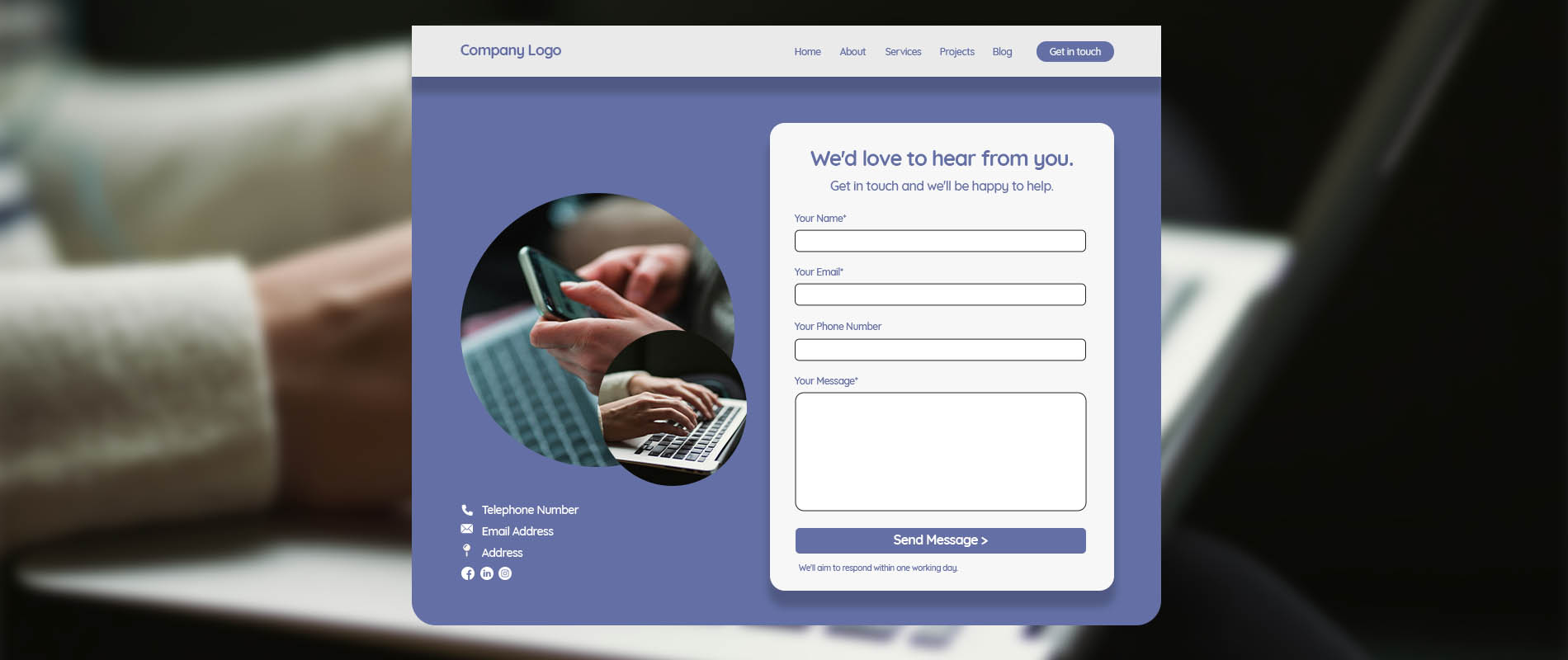
A simple form usually works best, including fields such as:
- Name
- Email address
- Telephone number (optional)
- Message
If you need additional information, you can always ask during your follow-up conversation.
Include Multiple Ways to Get in Touch
Not everyone wants to fill in a contact form.
Some people prefer to call, while others would rather send an email or contact you through social media.
Include all of your available contact methods, such as:
- Telephone number
- Email address
- Contact form
- Social media links
Giving visitors options makes it more likely they’ll choose the method they’re most comfortable using.
Show Your Business Location
If you have business premises, include your address and an embedded map.
This helps reassure visitors that you’re a genuine business while making it easier for customers to find you. Even if you mainly work remotely, including the areas you cover can help local customers know they’re in the right place.
Tell Visitors What Happens Next
One simple addition that many businesses overlook is explaining what happens after someone gets in touch.
For example:
“We’ll aim to respond within one working day.”
Or:
“Once we receive your enquiry, we’ll arrange a free consultation to discuss your project.”
Setting expectations helps build confidence and reassures visitors that their enquiry won’t disappear into a black hole.
Add a Friendly Introduction
A contact page doesn’t have to feel transactional.
A short welcoming message can encourage people to reach out.
Something as simple as:
“Have a question about your next project? We’d love to hear from you. Get in touch and we’ll be happy to help.”
This creates a more approachable and personal experience.
Build Trust
People are much more likely to contact a business they trust.
Consider including elements such as:
- Customer testimonials
- Google reviews
- Industry accreditations
- Professional memberships
- Awards or certifications
These small additions can reassure visitors that they’re choosing a reputable company.
Make It Mobile Friendly
Many people will contact you using their phone.
Your contact page should be fully responsive, with large buttons, easy-to-complete forms, and clickable phone numbers and email addresses. A poor mobile experience can quickly cost you enquiries.
Keep It Fast
A slow contact page can be just as frustrating as a slow homepage.
Optimised images, fast hosting, and efficient code help ensure visitors can complete their enquiry without delays.
Test It Regularly
You’d be surprised how many contact forms stop working without anyone noticing.
We recommend testing your contact form regularly to make sure enquiries are being delivered successfully.
It’s also worth checking that your phone number, email address, opening hours, and social media links are all up to date.
How We Can Help
When we design websites, we don’t just focus on how they look. We design them to generate enquiries.
From intuitive layouts and clear calls to action to user-friendly contact forms and mobile optimisation, every element is carefully considered to make it as easy as possible for potential customers to get in touch.
Whether you’re building a brand new website or improving an existing one, a well-designed contact page can have a significant impact on the number of enquiries your business receives.
The Bottom Line
Your contact page is where interest turns into action.
A clear layout, simple contact form, multiple ways to get in touch, and strong trust signals can all help increase enquiries and create a better experience for your visitors.
If your current contact page isn’t generating the results you’d hoped for, we’d be happy to review it and suggest improvements that could help your website convert more visitors into customers.